Ecological Polyculture: Rethinking the Way We Grow Our Food and Herbs
What if we could grow the plants we need without having to clear away everything else growing around them, routinely apply fertilizers, or spray pesticides to keep the whole operation going?
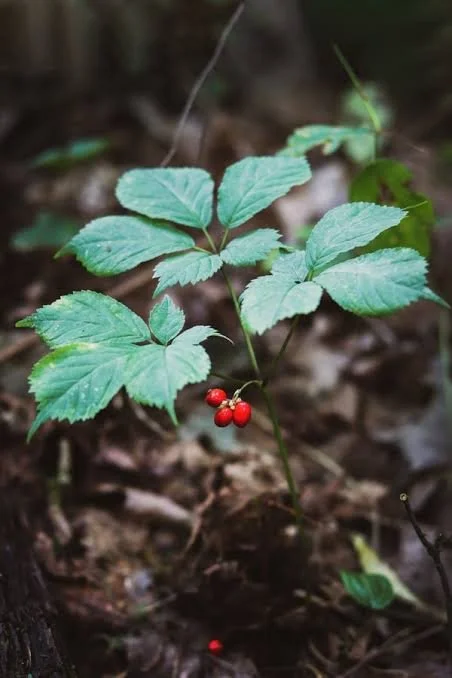
As a botanist, I've spent a good chunk of my life studying plants, growing them, and thinking about how they interact with the world around them. And one thing has always struck me as a little odd about modern agriculture: we spend an awful lot of effort trying to simplify the very systems that plants evolved to live in.
Drive through an agricultural region and you'll see it everywhere. Acres and acres of the same crop, planted in neat rows, with everything else cleared away. It's an incredibly efficient way to organize certain types of production, and I'm not going to pretend that feeding billions of people is a simple problem. But it does raise an interesting question.
Is a field full of one plant species, with everything else removed, really the only way to grow the plants we need?
More and more people are recognizing alternatives.
At Elk Haven Herbals, we grow Torbangun (a tropical herb traditionally used in Indonesian postpartum food practices), ginger, ginseng, and even cultivate mushrooms among a diverse collection of plants that includes hundreds of native species from our region of the Carolina Piedmont. We don't apply pesticides or fertilizers to any of it.
Instead of treating anything as an isolated crop, we grow them as part of a much larger plant community.
This approach falls under the broad umbrella of ecological polyculture: growing multiple plant species together while considering the ecological relationships among them. It's not a new idea, and it certainly isn't a universal solution to every agricultural problem. But I think it deserves a lot more attention than it gets.
Here's why.
Plants Don't Naturally Grow in Rows
Go for a walk through a healthy natural plant community and you'll quickly notice something. Plants grow together. Lots of them. Different species occupy different spaces, roots explore different depths, and vegetation forms layers from the soil surface to the canopy.
Some plants thrive in full sun. Others prefer shade. Some have deep roots, while others spread closer to the surface. They have different growth cycles, nutrient requirements, and relationships with the organisms around them.
A natural plant community is a complicated place.
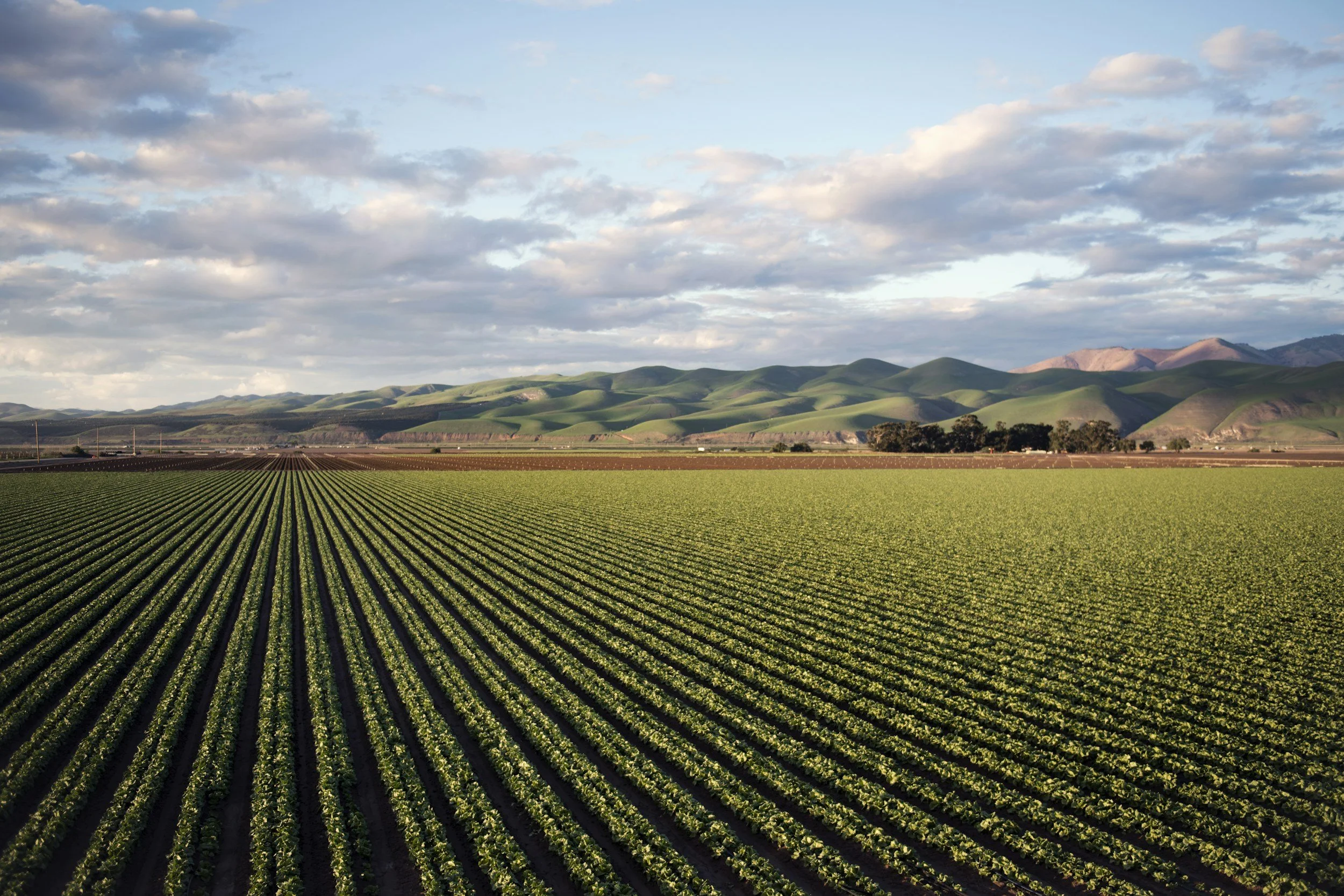
Agriculture often takes that complexity and strips it away. We clear the land, plant a single crop, and remove other vegetation that might compete with it. We create a simplified growing environment that's easier to manage, harvest, and standardize.
There are good reasons for doing this. Uniform crops can be easier to mechanize, and growing a single species can make production more predictable. But simplification has trade-offs, too.
When we remove vegetation, we can lose ground cover, habitat, and some of the biological relationships that help ecosystems function. Depending on how a field is managed, we may also need to rely more heavily on external inputs to address nutrient deficiencies and pest problems.
What interests me is the possibility of approaching the problem from the other direction.
Rather than asking how to eliminate everything except our crop, what happens if we start by considering which plants can coexist in a productive growing system?
What Exactly Is Ecological Polyculture?
The basic idea is pretty straightforward: instead of growing one species in isolation, we grow multiple species together.
But there's more to it than simply putting a bunch of plants in the same garden.
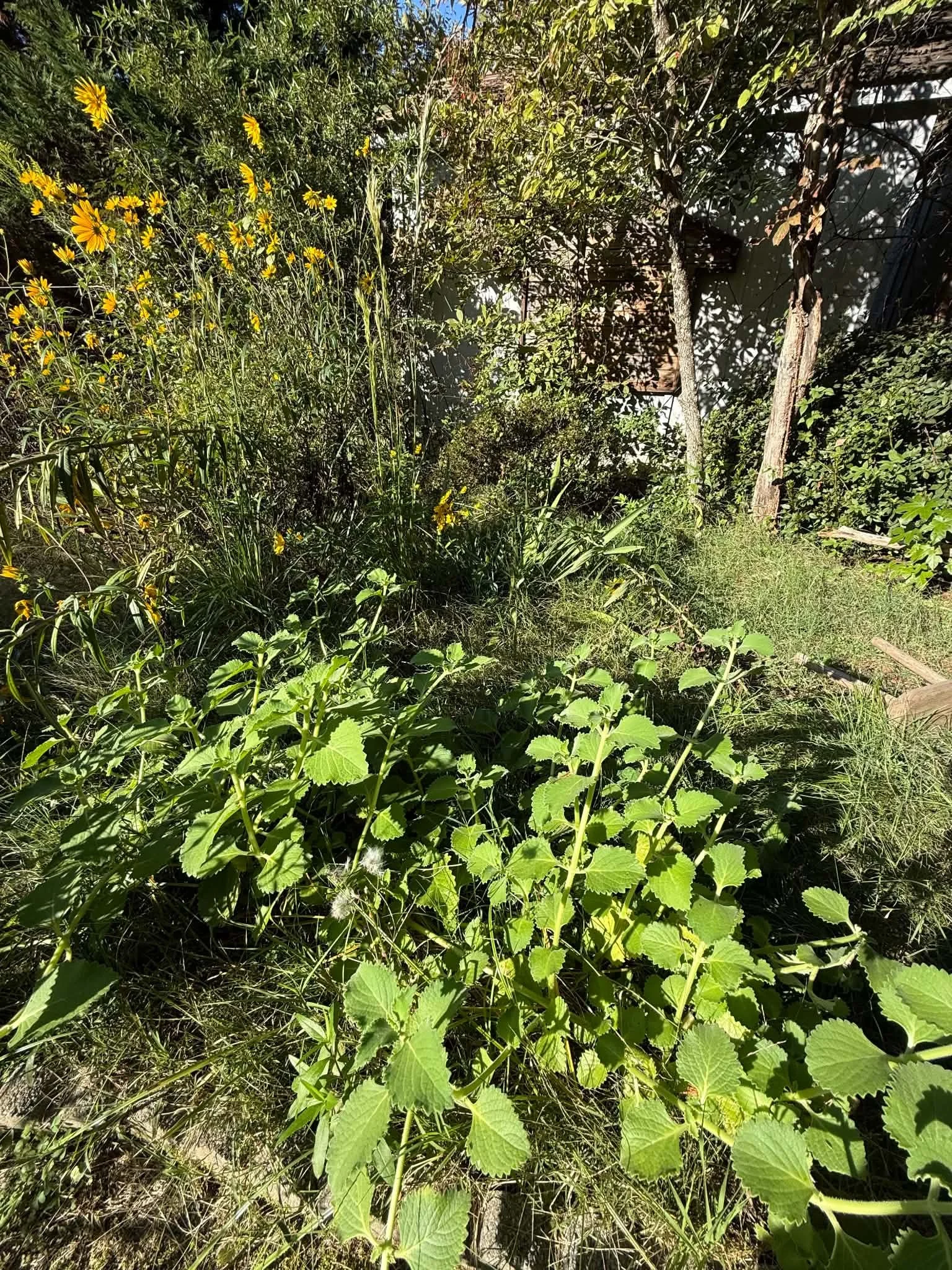
Torbangun amongst the natives - whorled sunflower, muck sunflower, and witchgrass.
A thoughtfully designed polyculture considers how plants interact. How much light do they need? Where do their roots grow? When are they actively growing? Do they compete for the same resources, or can they occupy different niches? What happens to the soil when their leaves and roots decompose? Can the overall planting provide habitat for organisms that contribute to ecosystem function?
These are ecological questions, and they're also practical horticultural questions.
There are plenty of examples of related approaches already in use. Intercropping combines crops within a growing area. Agroforestry integrates trees and shrubs with crops or livestock. Forest gardening uses multiple layers of useful plants to create a productive, woodland-like system.
Ecological polyculture is a broader way of thinking about how we bring plant diversity into cultivation.
The important distinction is that diversity alone doesn't guarantee a better result. Put the wrong plants together, and they'll compete for light, water, and nutrients. A successful polyculture requires understanding the plants involved and managing the system appropriately.
Fortunately, that's part of what makes botany so interesting in the first place.
What Happens to the Soil?
One of the most compelling reasons to consider ecological polyculture is what happens belowground.
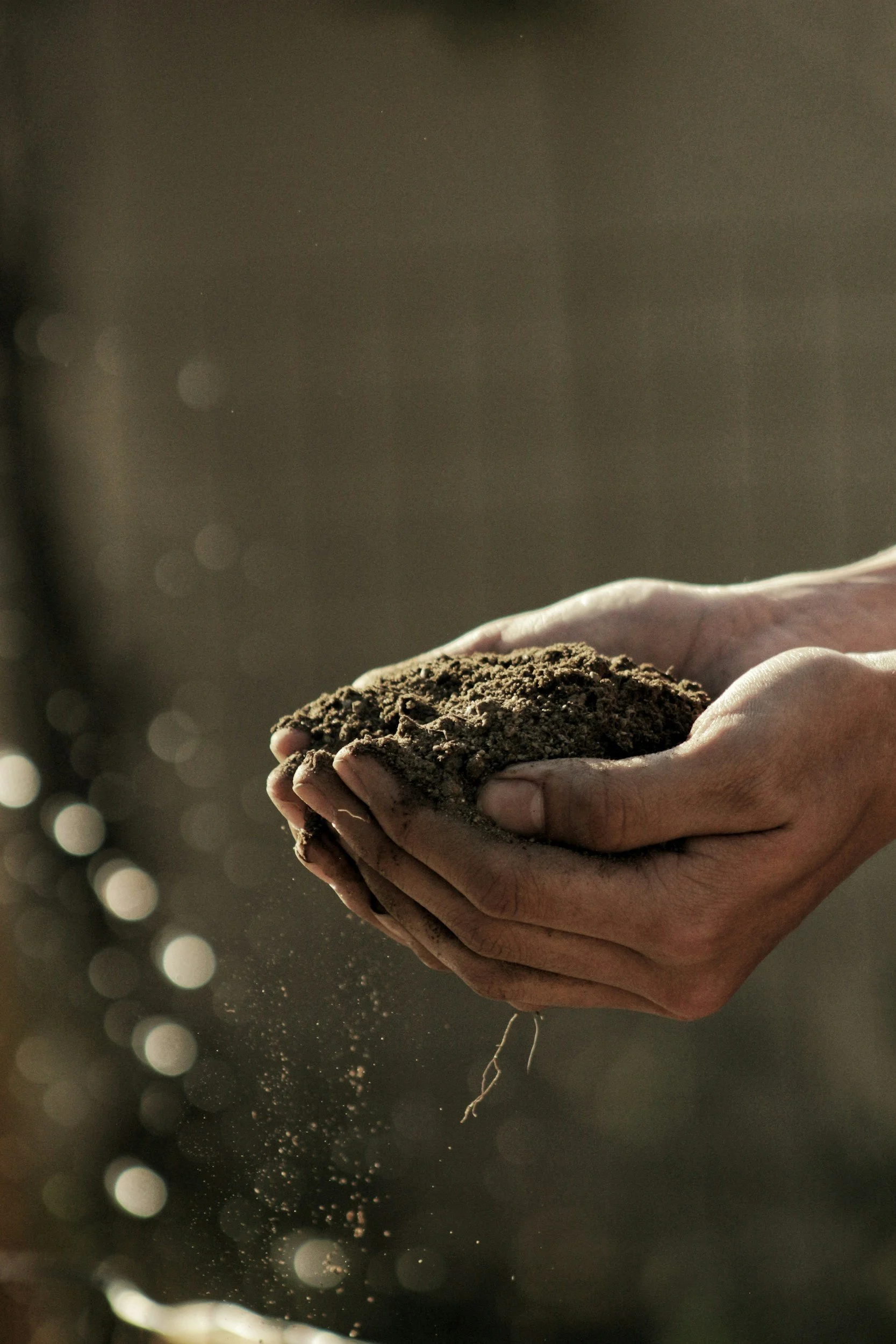
We tend to think of soil as something plants grow in, but healthy soil is much more than a medium for holding roots in place. It's a complex system involving minerals, organic matter, water, fungi, bacteria, and countless other organisms.
Plants participate in that system in several ways. Their roots interact with soil organisms and release carbon-containing compounds into the surrounding soil. When roots, leaves, and other plant material die and decompose, they contribute organic matter and return nutrients to the system.
Different plant species have different root structures and growth habits. A diverse planting can therefore create a more varied belowground environment than a field dominated by a single crop.
Then there's the issue of bare soil.
In many agricultural systems, vegetation is removed between rows or the soil is repeatedly disturbed. Depending on the climate and management practices, exposed soil can be more vulnerable to erosion, moisture loss, and temperature extremes.
Maintaining living vegetation and plant litter can help protect the soil surface, moderate temperatures, and slow the movement of water across the ground.
This is one reason I like the idea of growing crops among other vegetation instead of automatically clearing everything that isn't the crop itself.
Those other plants are doing things. They're capturing sunlight, growing roots, interacting with soil organisms, and eventually contributing organic matter.
Of course, we have to be careful not to romanticize the process. Plants also consume resources, and some combinations will compete more than they complement one another. Removing large quantities of plant material during harvest also removes nutrients that eventually need to be replaced.
But the broader point remains: soil health depends on a collection of biological, physical, and chemical processes. We should consider how our growing practices affect those processes rather than treating soil as an inert substrate that needs to be routinely amended.
No Pesticides. No Fertilizers. Is That Possible?
This is where things get particularly interesting.
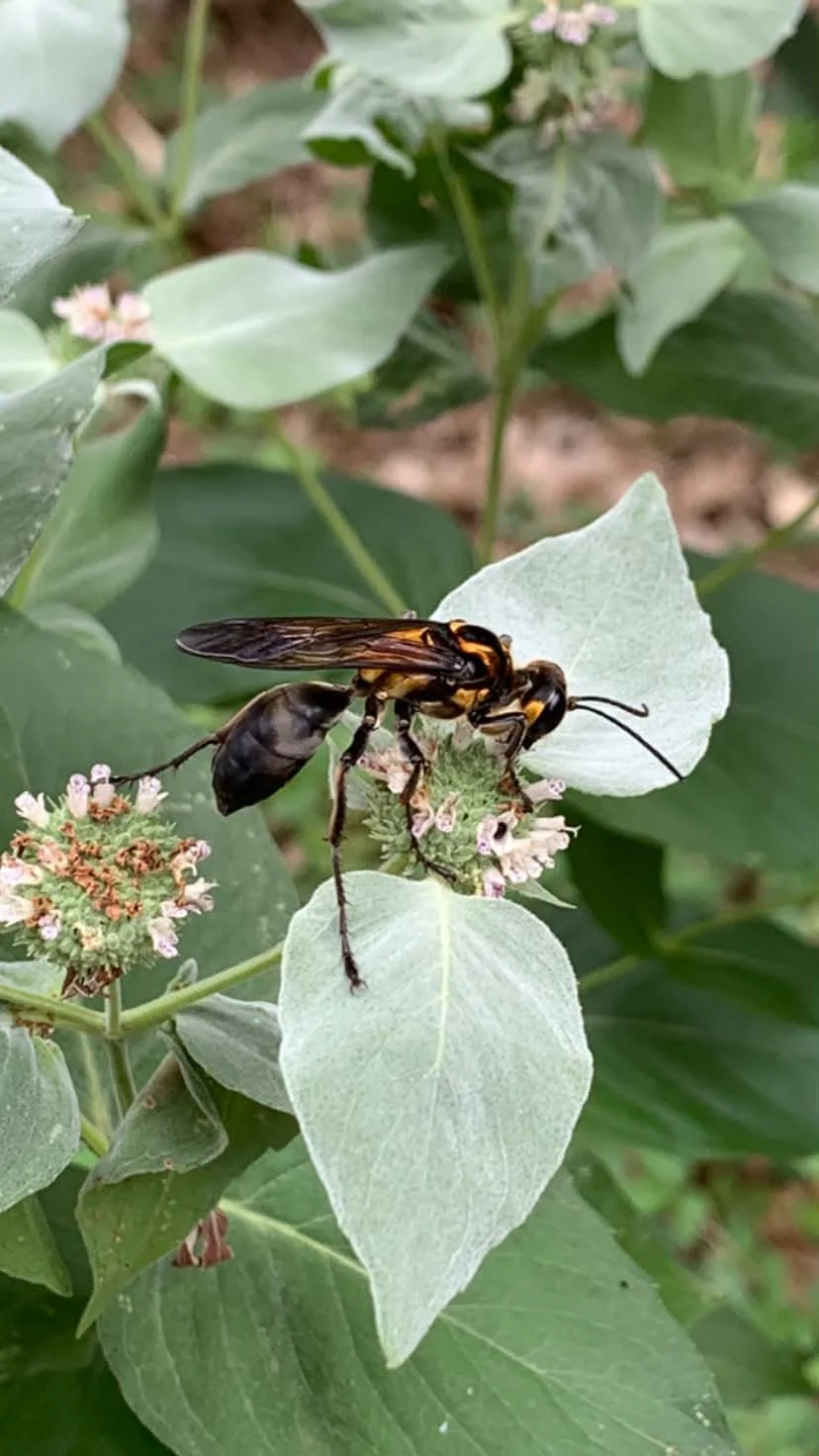
A golden-reined digger wasp on mountain mint - probably the best pollinator plant you can own.
At Elk Haven Herbals, we don't apply pesticides or fertilizers.
I'm not suggesting that every polyculture can operate without those inputs, or that pesticides and fertilizers are never appropriate. Agriculture is enormously varied, and different crops have different requirements.
But I do think we should question the assumption that growing a crop necessarily requires us to simplify its environment and then compensate for the consequences.
Consider pest management. A diverse plant community can provide habitat and resources for predators and parasitoids that help regulate certain insect pests. Whether that translates into meaningful pest control depends on the species involved, the crop, and the growing conditions. Biodiversity isn't a force field that protects every plant from every insect.
Still, it offers another way to approach pest management: create conditions that support ecological processes rather than relying exclusively on intervention after a problem develops.
The same general principle applies to soil fertility.
Plants need essential nutrients. No amount of biodiversity changes that. But nutrients exist within soil minerals, organic matter, and biological cycles, and their availability depends on the interactions among these components.
Plant residues decompose. Organisms transform nutrients into different forms. Roots take up nutrients from the soil, and those nutrients can return when plant material decomposes.
A well-managed growing system can take advantage of these processes. Depending on the crop, soil, climate, and harvest requirements, it may reduce the need for external fertilizer inputs.
In our case, we don't need to apply fertilizer or pesticides to our Torbangun. That's a practical feature of how we grow it, not a claim that we've discovered a formula that will work everywhere.
The goal isn't to avoid every intervention simply because it's an intervention. The goal is to understand the system well enough to know what it actually needs.
Biodiversity Isn't Just About Having More Plants
I'm particularly interested in this subject because so much of my own growing involves native plants.
Our Torbangun grows among a much broader collection of vegetation, including hundreds of native species from the Carolina Piedmont. Elsewhere in our growing areas, we cultivate other useful plants like hazelnuts, elderberries, ostrich ferns, maypop, etc. This is a form of what’s called agroforestry.
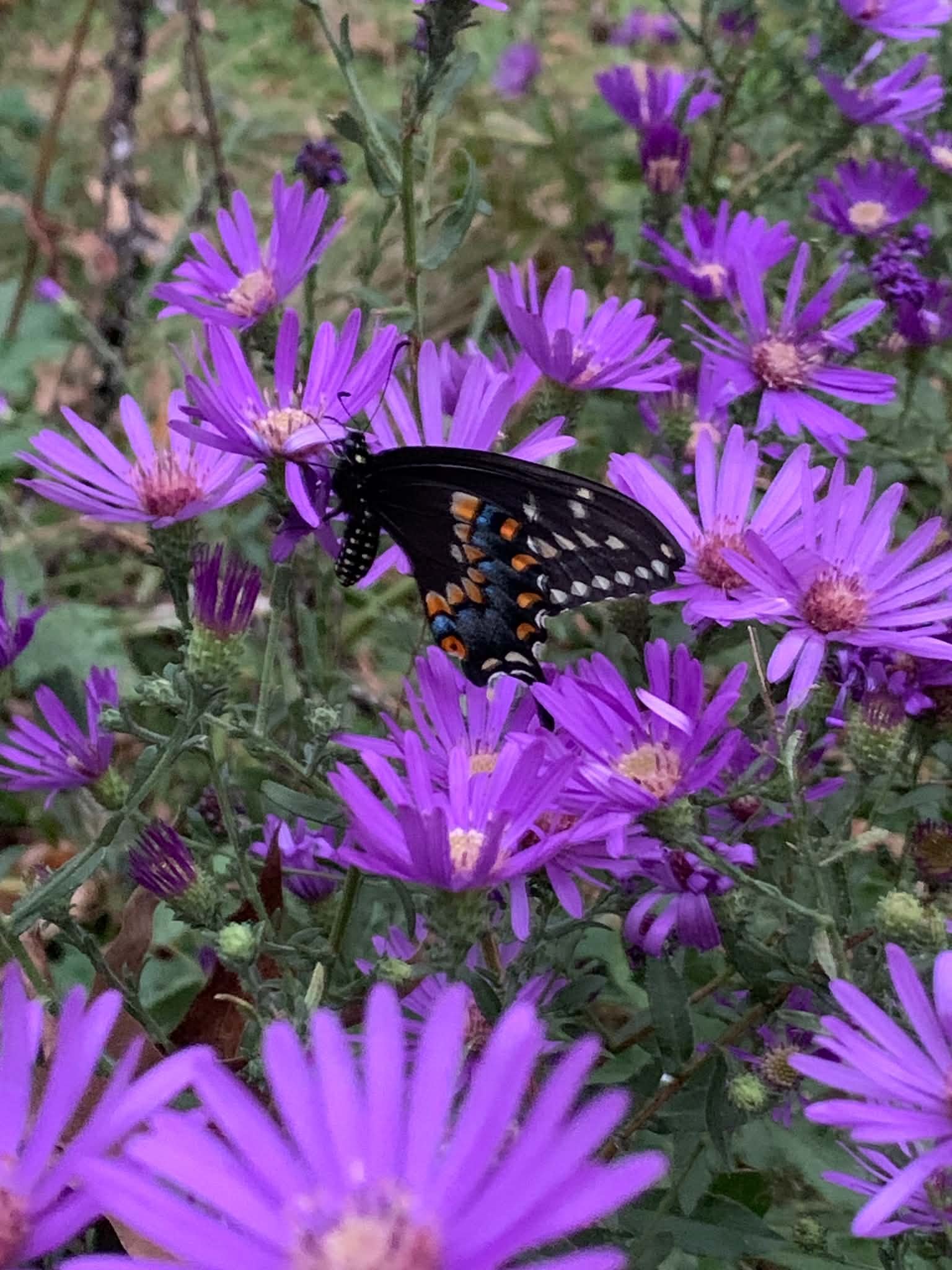
A black swallowtail on Georgia aster - this blooms all the way into November!
These aren't all the same kind of planting, and I wouldn't describe every diverse garden as an agricultural polyculture. But they reflect a common interest in growing plants as part of larger communities rather than treating each species as an isolated unit.
Native plants are especially interesting because they're part of the ecological history of a region. Over evolutionary time, many have developed relationships with local insects and other organisms.
Different species also flower at different times, produce different kinds of seeds and foliage, and create different forms of habitat. A diverse planting can offer a broader range of resources to wildlife than a planting dominated by one species.
That doesn't mean every native plant is beneficial to every other plant, or that adding native species automatically improves every ecological outcome. The details matter.
But when you grow hundreds of species, you begin to see a landscape differently. It's no longer simply a collection of individual plants. It's a community of organisms interacting with one another.
And once you start thinking that way, it's natural to ask how we might cultivate useful plants without discarding all that complexity.
Torbangun: A Case Study in Growing Differently
Torbangun is a good example of what I'm talking about.
Known botanically as Coleus amboinicus, and also widely referred to by the older name Plectranthus amboinicus, this aromatic herb has a long history of traditional use in Indonesia, including in postpartum food practices.
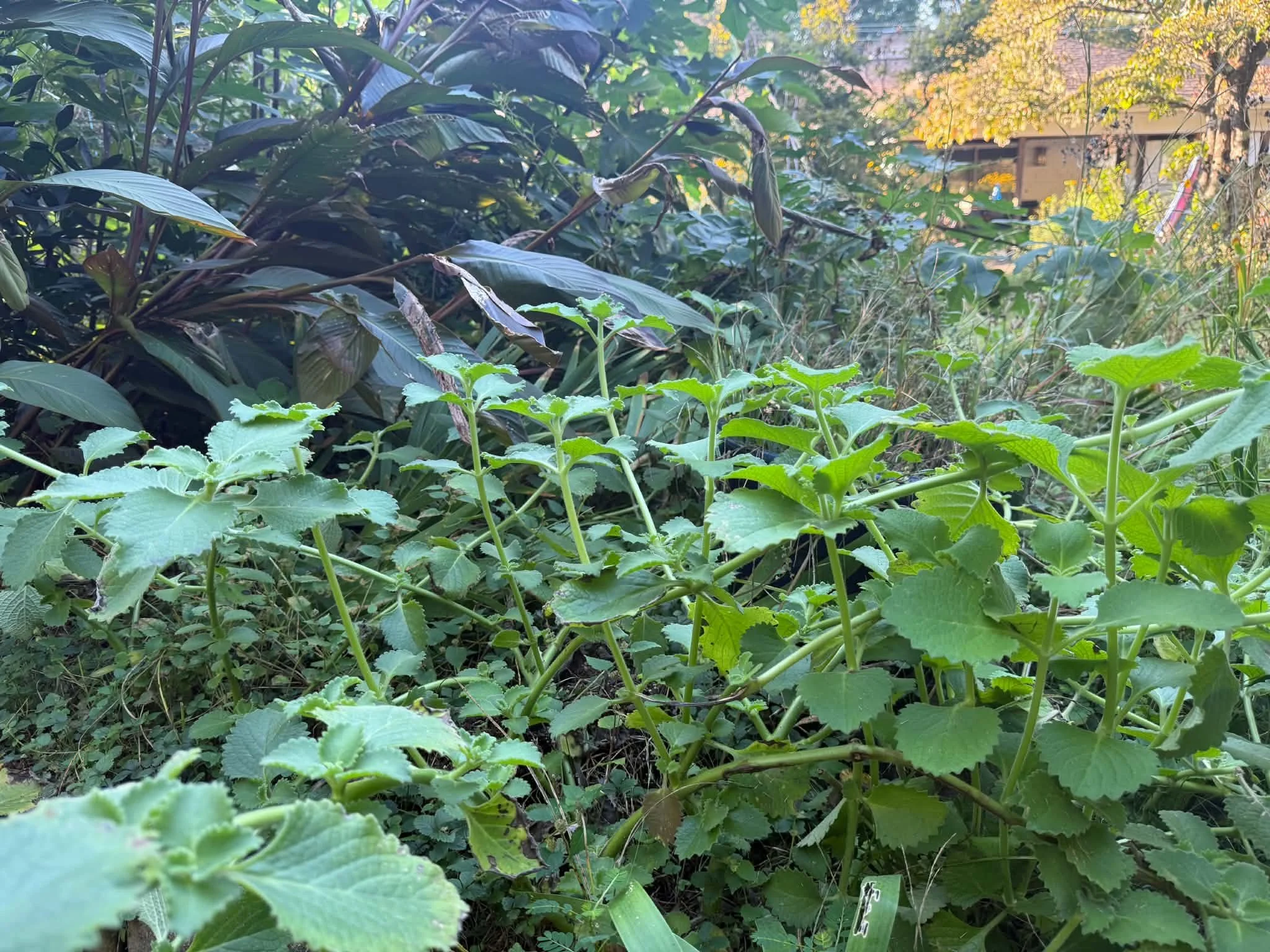
At Elk Haven Herbals, we grow it for use in our botanical products. But we don't approach it as a commodity that needs to occupy a dedicated field, surrounded by bare ground.
Instead, we grow it among other vegetation.
That gives us a practical example of cultivating a useful herb within a diverse growing environment, without applying pesticides or fertilizers to the crop.
Does that prove ecological polyculture is more productive than conventional agriculture? No. Does it prove our Torbangun has a different chemical composition or is more potent because of how it's grown? No. Those questions would require appropriate testing.
Plant chemistry is complicated. Genetics, light, temperature, water availability, soil conditions, plant maturity, harvesting, and processing can all influence the chemical composition of botanical materials.
I wouldn't attribute a medicinal or nutritional advantage to our growing method without evidence.
But we don't need to make those claims to recognize that the way we grow the plant is worth discussing.
We're cultivating a useful botanical within a diverse plant community, and we don't need to apply pesticides or fertilizers to our Torbangun. That's a real-world example of an alternative approach to crop production. It also eliminates a lot of risk associated with chemical exposure - which is a serious concern for a supplement designed for nursing moms.
Could Ecological Polyculture Work on a Larger Scale?
This is where I think the conversation gets really interesting. We already have examples of diversified agricultural systems, from intercropped annual crops to perennial food forests and agroforestry. The question isn't whether multiple useful species can be grown together. They can.The challenge is figuring out where these approaches make practical and economic sense. Mechanizing the harvest of a diverse planting can be more difficult than harvesting a uniform field. Different species may mature at different times. Plants can compete for light, water, and nutrients. Establishing a diverse perennial system may require more planning and patience than planting a conventional annual crop. And not every crop is suited to every kind of polyculture. Those are real limitations, and any serious discussion of sustainable agriculture needs to acknowledge them. But there's also an opportunity to rethink what we measure when evaluating an agricultural system. Yield per acre is important, but it isn't the only consideration. We should also consider the external inputs required to produce that yield, the condition of the soil over time, the effects on surrounding biodiversity, water management, labor requirements, and the long-term resilience of the system. A growing method that produces less of one crop but requires fewer inputs or supports other useful outputs might make sense in some circumstances. In others, a conventional system may remain the more practical choice. The point isn't that one approach must replace the other. It's that we should evaluate different systems based on what they actually accomplish, rather than assuming that maximum uniformity is always the best design. For certain herbs, perennial crops, and diversified production systems, ecological polyculture deserves serious consideration.
Rethinking What Sustainable Agriculture Looks Like
One of the things I love about botany is that the more you learn about plants, the harder it becomes to think about them in isolation. A plant is connected to the soil beneath it, the organisms living around its roots, the insects visiting its flowers, and the other vegetation competing for resources. Even a small patch of ground can contain an astonishing amount of biological complexity. Agriculture necessarily changes the environment to produce things people need. There's no getting around that. The question is how we make those changes, what trade-offs we're willing to accept, and whether there are ways to produce useful crops while maintaining more of the ecological processes on which productive landscapes depend. Ecological polyculture is one approach worth exploring. At Elk Haven Herbals, our Torbangun provides a small, practical example. We grow it among a diverse collection of plants, including hundreds of native species in our region, without applying pesticides or fertilizers to the crop. We're not claiming to have solved the problems of modern agriculture, and I don't think there's one growing method that will work for every crop or every farm. But I do think it's worth challenging the assumption that productive agriculture has to mean simplifying the living world as much as possible.
Sometimes, instead of asking what we need to remove from a growing environment to make room for a crop, we should ask what we can grow alongside it.
That seems like a pretty good place to start.
At Elk Haven Herbals, Torbangun and our other herbs aren’t just ingredients. they’re plants grown for medicine growing within a larger community, and the way we cultivate it is part of the story.