Torbangun vs. Fenugreek: Which Is Better for Breastfeeding?
When I first made Boob Food, I made it a blend of fenugreek and torbangun. Not because there was a whole lot of scientific literature to support the effectiveness of fenugreek, but because there was a ton of cultural support for it. In fact, there still in in the general public. Many people have hard that fenugreek is good for nursing moms.
As I’ve discussed many times before torbangun (Coleus amboinicus) is a traditional Indonesian postpartum herb that has been consumed by breastfeeding women for generations. Unlike fenugreek, which has become widely marketed as a modern lactation supplement, torbangun's connection with breastfeeding comes from a traditional food culture in which the fresh leaves were eaten by women after childbirth.
But the question still lingers…. which is better for breastfeeding: torbangun or fenugreek?

The honest answer is that there isn't enough research to declare one universally superior in effectiveness, but it turns out a lot of women have fenugreek sensitivity.
The is indeed a human clinical study that looked at both plants in breastfeeding women.
What Is Torbangun?
Torbangun is a traditional Indonesian name for Coleus amboinicus, an aromatic plant in the mint family.
It is also known by names including Indian borage, Cuban oregano, Mexican mint, and several other regional names.
Among Bataknese communities in North Sumatra, torbangun has traditionally been prepared as a soup and eaten by women after giving birth.
The practice isn't simply about taking a capsule containing an herb.
Torbangun has historically been treated as a postpartum food using the herb when fresh, and that’s why we make it that way.
That traditional use is one of the reasons researchers became interested in investigating whether the plant could actually affect breast milk production.
What Is Fenugreek?
Fenugreek (Trigonella foenum-graecum) is a legume whose seeds have been used as food and traditional medicine for thousands of years.
It is particularly familiar to people who use Indian, Middle Eastern, and Mediterranean cuisines.
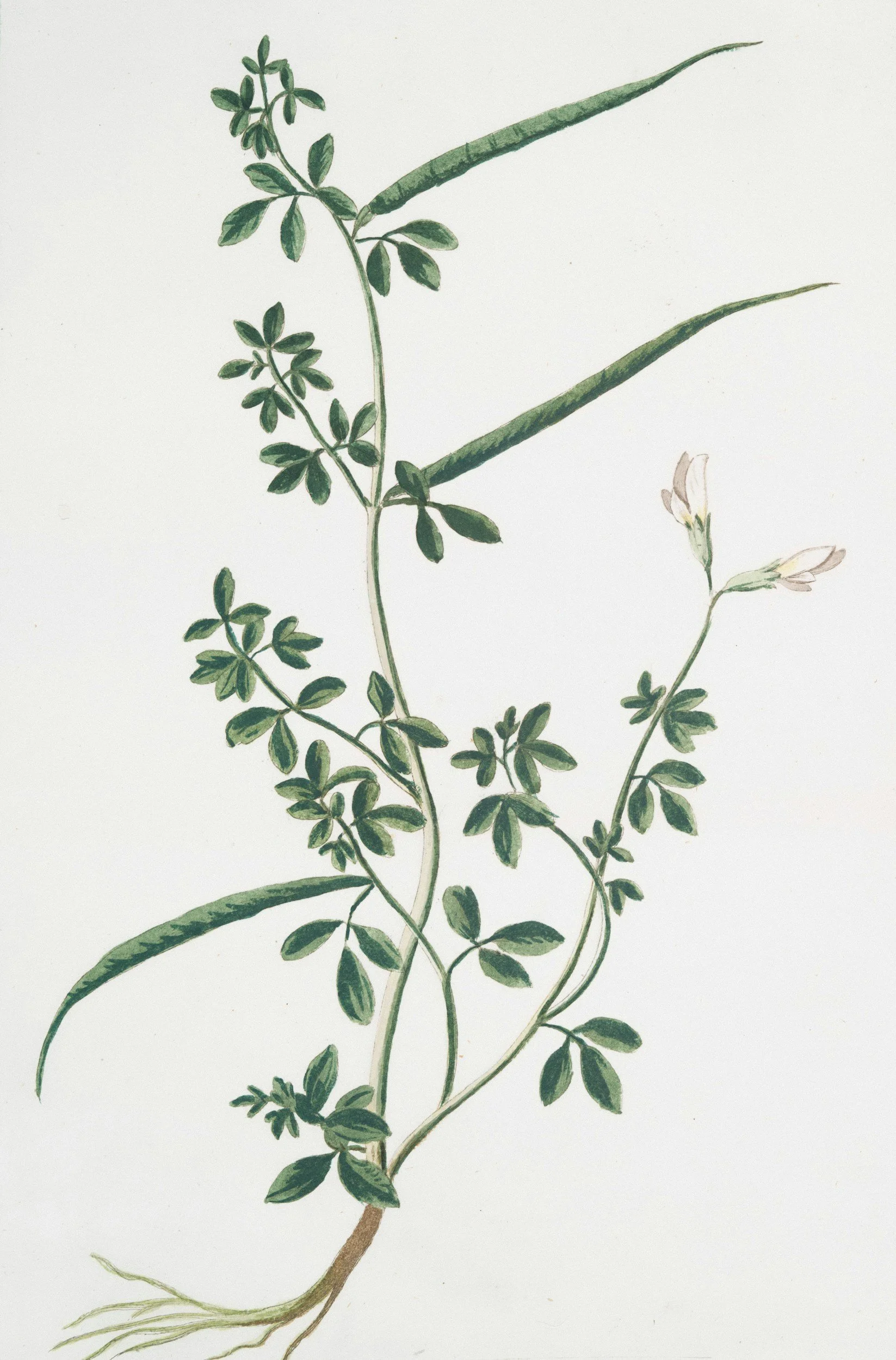
Love a good classic botanical drawing. Fenugreek is in the pea family and all pea family plants look similar and have similar and very distinctive flowers! Look into it if you love botany :)
Fenugreek seeds have a distinctive sweet, maple-like smell, and fenugreek is now one of the most common ingredients found in herbal lactation products. When you use it in cooking or to make an extract you smell like it for days!
Unlike torbangun, fenugreek is widely available as capsules, teas, powders, and extracts.
Because it is so popular, fenugreek has also been studied considerably more than many other herbal galactagogues.
But more research does not necessarily mean the answer is settled.
What Does the Research Say?
One of the most interesting studies comparing torbangun and fenugreek was published in 2006.
Researchers studied breastfeeding women during the first month after giving birth and compared three groups: women consuming torbangun leaves, women receiving fenugreek, and a control group.
The researchers measured 24-hour breast milk production.
The results were striking.
During the final two weeks of supplementation, the torbangun group increased measured milk production from approximately 361 mL to 479 mL per day.
That represented an increase of about 65%.
The fenugreek group experienced a much smaller increase, approximately 20% during the same period.
The authors concluded that torbangun appeared to have a greater lactagogue effect than the fenugreek preparation used in the study.
Shortly after this study came out we began making Boob Food as a blend between both herbs because there was in increase in both groups compared to the control. We hoped there would be synergistic effects.
But there's an important caveat.
This study does not prove that torbangun is universally better than fenugreek.
It was a relatively small study, and the women were consuming specific preparations of the plants. The torbangun intervention involved fresh leaves and many preparations like our competitors use extracts of the dried plant.
So we can't simply take the 65% figure and assume that anyone taking any torbangun supplement will experience a 65% increase in milk production.
That would be an unreasonable interpretation of the research.
What we can say is that a controlled human study found a substantially larger increase in measured milk volume in the torbangun group than in the fenugreek group.
This is probably why the shift has slowly been more towards torbangun in the last 5-10 years.
Does Fenugreek Actually Work by itself?
This is where things get complicated.
Fenugreek is one of the most commonly recommended herbal galactagogues, but research on its effectiveness has produced mixed results.
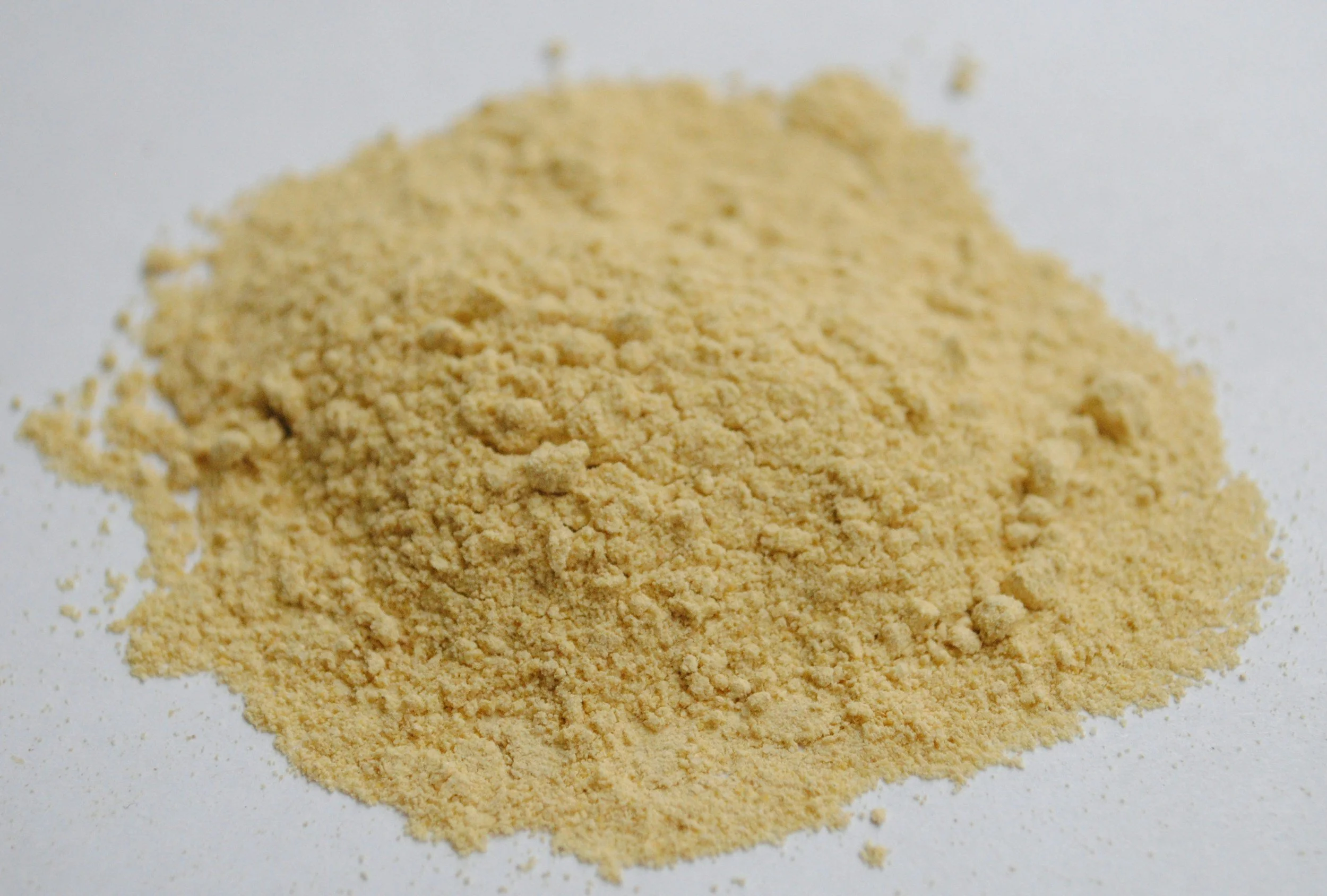
Fenugreek Powder used in extracts and cooking.
Some studies have reported increases in milk production.
Other studies have found little or no meaningful effect.
The quality of the evidence varies considerably between studies, and differences in dose, preparation, study design, and the women being studied make comparisons difficult.
The National Institutes of Health's LactMed database notes that fenugreek has been used as a galactagogue, but also describes limitations and conflicting evidence surrounding its effectiveness.
In other words:
Fenugreek is popular. That doesn't mean the science is conclusive.
What About Torbangun?
Torbangun has considerably less research behind it.
That sounds like a disadvantage, and scientifically, it is.
We need more well-designed clinical trials before we can make strong conclusions about how effective torbangun is, what preparation works best, what dose is appropriate, and which women are most likely to benefit.
But there is an important counterpoint.
The research that does exist is interesting.
Torbangun isn't simply an herb that somebody recently decided to market as a lactation supplement.
It has a documented history of traditional use among breastfeeding women, and researchers have conducted human studies specifically investigating that traditional practice.New studies are even showing how it likely works by increasing prolactin receptor concentration.
That's a pretty good reason to be interested in the plant.
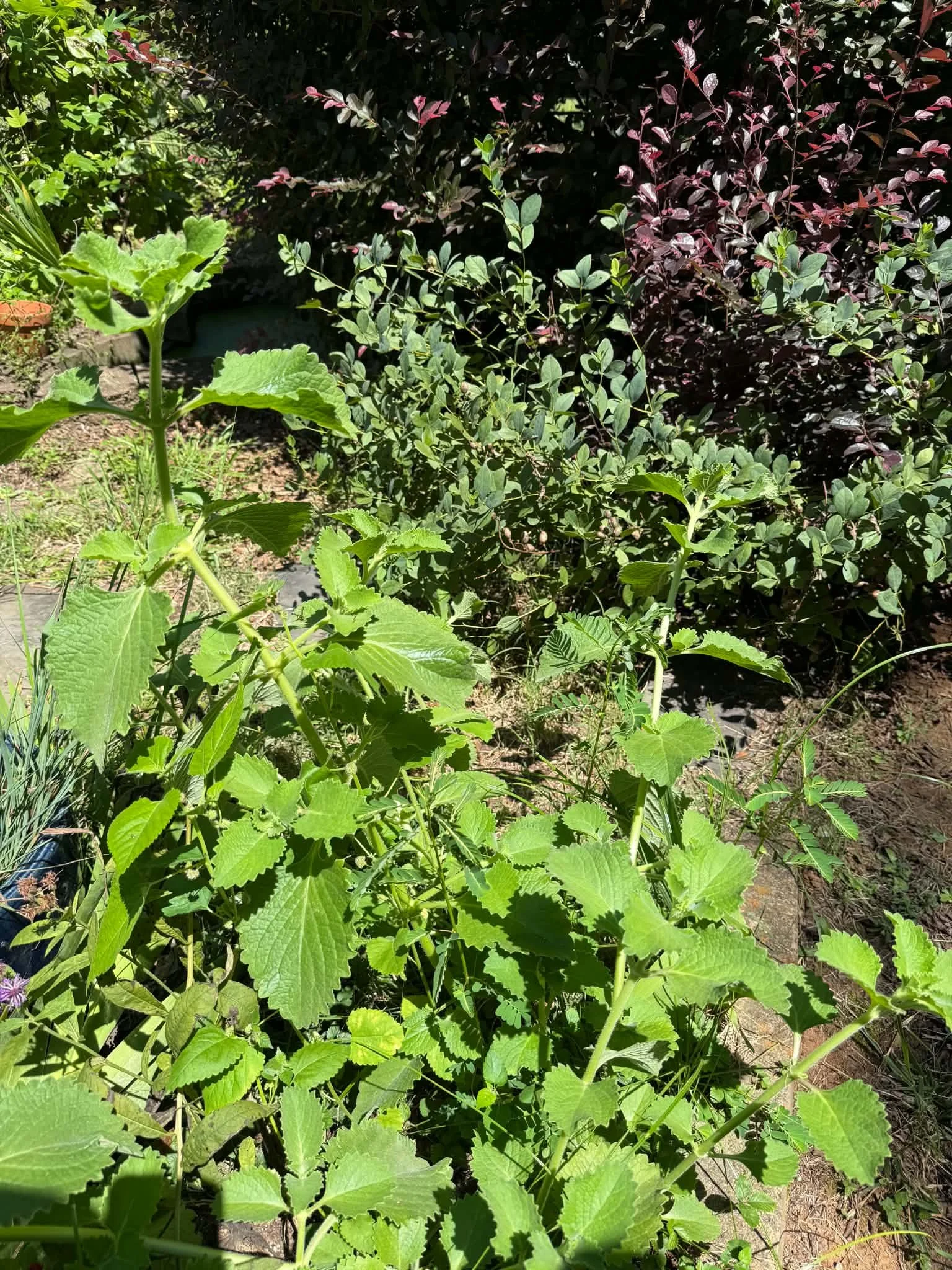
.
Torbangun vs. Fenugreek: What About Side Effects?
Both herbs can cause side effects, and "natural" doesn't automatically mean "risk-free."
Fenugreek can cause gastrointestinal symptoms such as diarrhea, nausea, or stomach discomfort. In fact we made the switch to pure torbangun in the first couple of years because of complaints from women taking Boob Food. It can also cause a distinctive maple-like odor in sweat or urine.
People with allergies to peanuts, chickpeas, or other legumes may also need to exercise particular caution with fenugreek because it belongs to the legume family.
Torbangun has a different safety profile, but unfortunately there is considerably less published safety information available.
The LactMed database notes that there are limited published data concerning the safety of Coleus amboinicus during breastfeeding.
That doesn't mean torbangun is known to be unsafe.
It means we don't have the same depth of safety data that we'd like to have.
If you are pregnant, breastfeeding, taking medication, or have a medical condition, it's a good idea to discuss herbal supplementation with your healthcare professional. Still, in all our years we haven’t gotten a single message about someone being sensitive to it. That doesn’t mean it’s not possible, just clearly isn’t a typical concern.
What About Milk Supply Problems?
Before choosing either herb, it's worth asking a bigger question:
Why is milk supply low in the first place?

Proper latching is a huge piece of the puzzle.
Low milk production can have many causes.
Milk removal frequency, latch problems, pumping technique, insufficient stimulation, medications, hormonal factors, postpartum complications, and other medical issues can all play a role. This is what I discuss in email with the majority of our customers.
An herbal galactagogue isn't a substitute for figuring out the underlying problem.
If your baby isn't gaining weight appropriately or you're concerned about whether your baby is getting enough milk, it can be helpful to work with a qualified healthcare professional or lactation consultant.
An herb can potentially be one piece of the puzzle.
It shouldn't be the entire puzzle.
Fresh Torbangun vs. Fenugreek Supplements
There's another important difference that often gets overlooked.
The 2006 torbangun study didn't involve a standardized capsule containing a powdered herb.
The women consumed fresh torbangun leaves prepared as food.
That matters.
A plant's chemical composition can change depending on how it is grown, harvested, dried, stored, and extracted.
Fenugreek supplements are commonly made from the seeds and are available in many different preparations.
Torbangun products can also vary substantially.
So comparing "torbangun" with "fenugreek" isn't always as simple as comparing two ingredients on a label.
The actual preparation matters.
Why We Chose Torbangun
Boob Food Too grew out of necessity. I begun researching solutions when we ourselves had problems breastfeeding. The pure torbangun extract evolved naturally as more and more women requested it.
I’ve written extensively about this before.
So Which Is Better: Torbangun or Fenugreek?
If you're looking for a simple winner, the truly scientific answer is:
We don't know yet.
Fenugreek has more research behind it, but the results aren't uniformly positive.
Torbangun has less research, but the human studies that have been conducted, including a direct comparison with fenugreek, are intriguing.
The 2006 study found a substantially greater increase in measured milk volume among women consuming torbangun than among those receiving fenugreek.
That doesn't prove that torbangun will work better for every woman. We’ve been selling Boob Food and Boob Food Too for the better part of two decades for a reason though.
Our success with pure torbangun does indeed challenge the idea that fenugreek is automatically the best or most evidence-based herbal option for supporting lactation though.
Our take?
Torbangun deserves much more research.
It has a long history of traditional use, promising preliminary human evidence, and a fascinating biological profile.
And perhaps most importantly, it is still relatively unknown.
That means there is a lot left to learn.
Frequently Asked Questions
Is torbangun stronger than fenugreek?
One clinical study found a substantially greater increase in measured milk volume with torbangun than with fenugreek. However, the study was relatively small, and more research is needed before concluding that torbangun is universally more effective.
Can you take torbangun and fenugreek together?
There isn't enough research to establish whether combining the two provides additional benefits or whether there are disadvantages to doing so. If you're considering combining herbal supplements while breastfeeding, discuss it with your healthcare professional. Remember fenugreek causes GI upset in a lot of women.
Is torbangun the same as fenugreek?
No. They are completely different plants. Torbangun is Coleus amboinicus, a member of the mint family. Fenugreek is Trigonella foenum-graecum, a legume.
Which tastes better?
That's subjective. Fenugreek has a characteristic sweet, maple-like flavor and aroma. Fresh torbangun has a strong aromatic flavor more reminiscent of oregano or other Mediterranean herbs. Most of our customers say our extract has a light minty flavor.
Is torbangun safe while breastfeeding?
Torbangun has a long history of traditional use among breastfeeding women, but modern safety data are limited. Anyone who is breastfeeding and considering an herbal supplement should discuss individual circumstances with a qualified healthcare professional.
How long does torbangun take to work?
There isn't enough research to establish a universal timeline. In the 2006 clinical study, differences in milk production became particularly apparent during the latter part of the supplementation period. Generally in our experience it takes anywhere from 2-4 weeks to see an increase.
The Bottom Line
Fenugreek has earned its reputation as one of the best-known herbs for breastfeeding, but it isn't the only plant with an interesting history of lactation use.
Torbangun is worth knowing about.
It has been consumed traditionally by breastfeeding women in Indonesia for generations, and at least one human clinical study found a substantially greater increase in measured milk production with torbangun than with fenugreek.
But science isn't finished with the question.
We need larger, better-designed studies to determine how effective torbangun is, how different preparations compare, what doses are appropriate, and how it compares with other lactation interventions.
For now, the most accurate conclusion isn't that torbangun has definitively "beaten" fenugreek.
It's that torbangun is an unusually promising and under-studied lactation herb and it deserves considerably more attention than it currently receives. But not too much attention. There’s been at least a half dozen copycats since we began this journey. One thing we’ve learned for sure, first on the market definitely doesn’t mean the biggest, especially in capitalist America :/
All the best with baby!
-Aaron
Elk Haven Herbals
Sources
Damanik R, Wahlqvist ML, Wattanapenpaiboon N. Lactagogue effects of Torbangun, a Bataknese traditional cuisine. Asia Pacific Journal of Clinical Nutrition. 2006;15(2):267–274.
Damanik R. Torbangun (Coleus amboinicus Lour): A Bataknese traditional cuisine perceived as lactagogue by Bataknese lactating women in Simalungun, North Sumatera, Indonesia. Journal of Human Lactation. 2009;25(1):64–72.