Home remedies and treatments for Tinea versicolor
The Best Natural Treatments for Tinea Versicolor include a number of household products. Most of these however don't work well. Read more to find out what's hype and what actually helps. 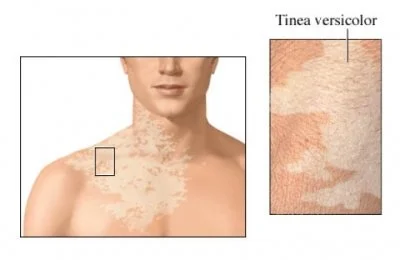
Tinea versicolor is one of those skin conditions that’s harmless—but incredibly frustrating. The patchy light or dark spots, mild itching, and tendency to return year after year can make people desperate to try anything that promises relief.
If you’re someone who prefers natural or non-drug approaches, you’re not alone. While conventional antifungals are sometimes effective, many people look for gentler, plant-based, or alternative options—especially for recurring cases or sensitive skin.
So what natural treatments for tinea versicolor are actually worth considering? Let’s break it down.
First, a Quick Reality Check
Tinea versicolor is caused by an overgrowth of Malassezia yeast that naturally lives on the skin.
That means any treatment—natural or conventional—must reduce yeast levels to be effective.
Natural treatments may:
Help control yeast overgrowth, support the skin’s natural balance, and reduce recurrence when used consistently
But they often work more slowly and require a bit of patience.
🌿 Top Natural & Alternative Treatments for Tinea Versicolor
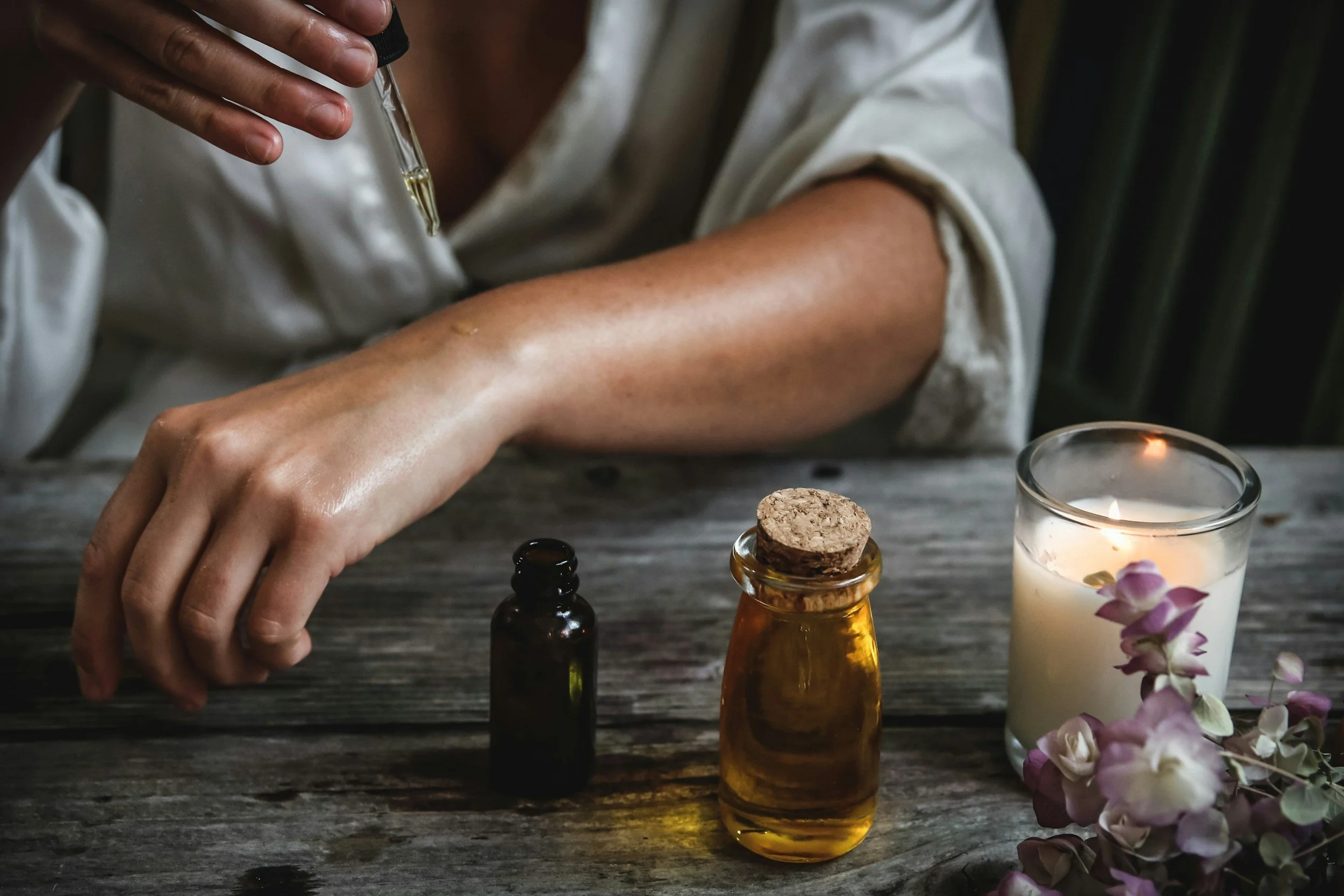
1. Tea Tree Oil (Diluted)
Why it helps:
Tea tree oil has well-documented antifungal and antimicrobial properties.
How it’s used:
Always diluted in a carrier oil (like coconut or jojoba) and applied once or twice daily to affected areas
Pros: Widely available and strong antifungal activity
Cons:
Can irritate sensitive skin and let’s be honest coating your skin in tea tree feels super weird. If you get the dilution wrong at all it can burn your skin. I made this mistake myself early on before developing TVT.
👉 Best for small patches and people without reactive skin.
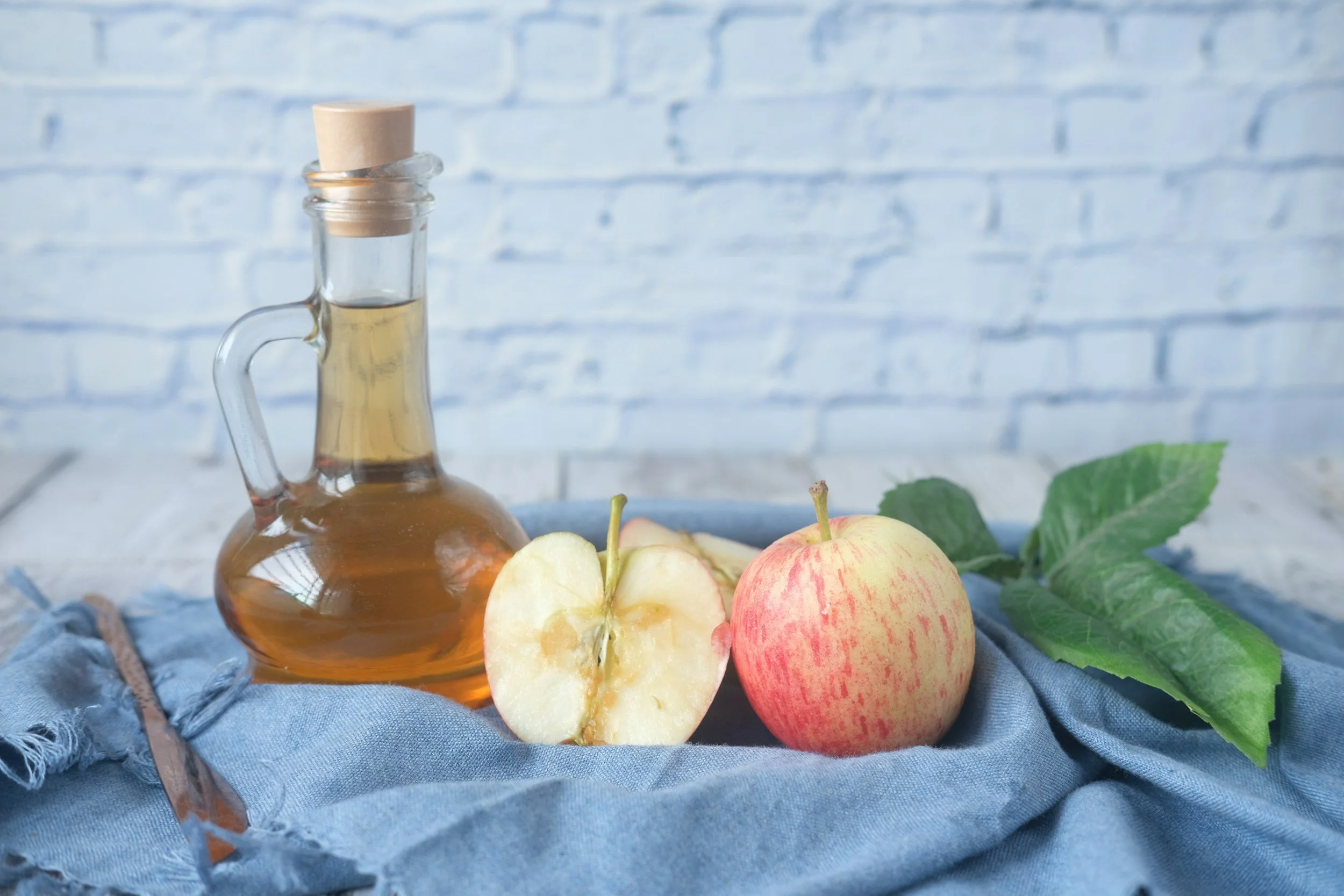
2. Apple Cider Vinegar
Why it helps:
ACV creates an acidic environment that yeast doesn’t love.
How it’s used: Diluted with water (never full strength) and applied with a cloth or spray, then rinsed
Pros:
Inexpensive and accessible
Cons:
The smell is obviously terrible. Can sting or dry skin if overused. I tried this for nearly a week before I gave up on it. It was burning and I didn’t think I’d be able to keep it up.
👉 Better as a supporting step, not a standalone cure.
3. Sulfur-Based Natural Soaps
Why they help:
Sulfur has long been used to reduce yeast, bacteria, and excess oil on skin.
How they’re used:
As a body wash and left on skin for a few minutes before rinsing
Pros:
Helps control oil, which yeast feeds on
Cons:
Also smells terrible, make you smell like rotten eggs or Florida’s public water supply. Can be drying
👉 Good for once a week maintenance. Once I got rid of my Tinea using TVT, I would use a sulfur soap for a couple of months once a week. Problem is the smell lingers.
4. Herbal & Nitric-Oxide–Based Topicals
Why they help:
Some natural or alternative formulas use plant compounds and nitric-oxide–related mechanisms to disrupt yeast while supporting the skin’s immune response. In fact studies show that extracts from plants like Artimesia are more effective than common treatments like ‘clinically effective clotrimazole’. As we’ve mentioned before so are compounds like acidified nitrite

Why people like them:
Designed specifically for tinea versicolor
Often gentler than standard antifungals
Can be applied over large body areas
Pros:
Targeted approach
Often better tolerated long-term
Cons:
Require daily application
👉 A popular option for people who’ve tried “everything else.” This is what we hear more than anything from people who have found and become dedicated followers of TVT. It’s simply the best option that works with your natural immunity.
5. Coconut Oil (Supportive, Not Curative)
Why it helps:
Contains lauric acid, which has mild antifungal properties.
How it’s best used:
As a moisturizer after treatment, not instead of treatment
Pros:
Soothing
Helps repair skin barrier
Cons:
Too mild on its own
Can worsen yeast if overapplied
👉 Think skin support, not treatment.
🚫 Natural Remedies That Are Often Overhyped
Plain essential oils without dilution
Diet-only “candida cleanses”
Sun exposure as a “fix” (can make discoloration more obvious)
These may sound appealing but rarely address the actual yeast imbalance on the skin. It’s important to remember that once you destroy the fungus that destroyed your skin pigment it takes a season or two for your skin tone to even out.
🧠 Tips for Success with Natural Treatments

Consistency matters more than strength
Treat beyond visible clearing to reduce recurrence
Keep skin cool, dry, and clean. Don’t rewear clothes or towels (this is a challenge but important to prevent reinfection).
Expect pigment to take weeks or months to normalize after yeast is gone
Natural treatments for tinea versicolor can be effective—especially for recurring, or sensitive-skin cases—but they work best when used intentionally and consistently.
If you want:
A gentler approach, fewer harsh chemicals and long-term maintenance support
Natural and alternative treatments can absolutely have a place in your routine. Try TVT by Elk Haven Herbals today!
PS If you’re not sure you have Tinea versicolor be sure to confirm you do. Otherwise you may be treating an entirely different skin issue.
All the best,
Your modern medicine man (and actual botanist)
Aaron